Putting safe floors in kitchens takes care. The choices must meet strict safety rules. Managers setting up food-grade flooring on Central Coast sites usually pick seamless polyurethane cements. They hold up to hot water washdowns nicely. Plain concrete soaks up grease like a sponge. Bad bugs grow inside small cracks over time. Heavy resin systems create a solid seal that coats concrete tight. Proper mechanical diamond grinding opens concrete stone pores so liquid resins form unbreakable chemical bonds. Clean seamless floors improve overall workplace hygiene while simplifying daily steam cleaning routines.
Dust-Free Mechanical Grinding
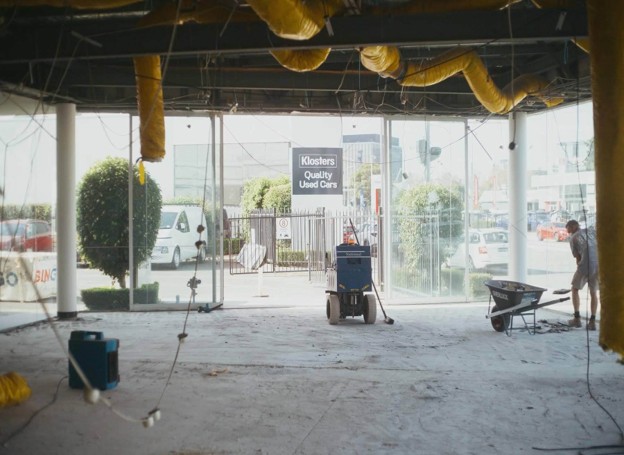
Preparing bare concrete slabs requires heavy grinding machinery to remove old surface contaminants and paints. Contractors specializing in concrete polishing Newcastle setups use heavy planetary grinders equipped with coarse diamond segments. Opening up microscopic concrete pores allows liquid hardeners or resin primers to penetrate deep into stone slabs. Industrial dust extraction units connected directly to grinding gear capture harmful fine silica dust before it circulates. Repairing surface pitting with fast-setting polymer mortars builds a solid level foundation for smooth floor applications.
Applying Antimicrobial Resin Barriers
Polyurethane cement systems provide outstanding resistance against harsh organic acids, fats, and boiling liquids used in food processing. Installing a durable food grade flooring Central Coast setup requires spreading thick resin mixtures using notched trowels evenly across prepped concrete. Spreading liquid cement uniformly prevents thick puddle spots from taking too long to cure properly overnight. Adding slip-resistant quartz aggregates into wet base coats ensures firm traction for kitchen staff walking around wet prep stations. High impact resistance prevents heavy stainless steel tools from cracking or chipping finished floor surfaces.
Progressive Diamond Polishing Stages
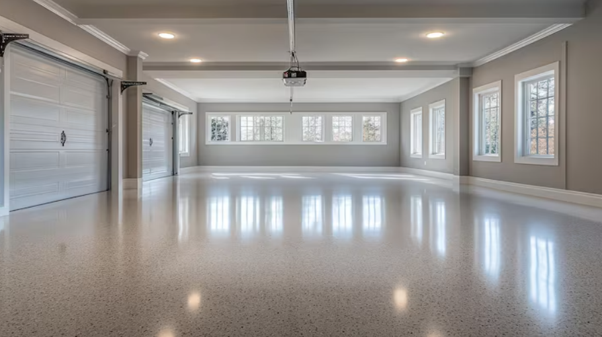
Achieving a durable high gloss finish on concrete floors involves moving through multiple diamond grit polishing passes systematically. Technicians performing concrete polishing Newcastle projects start with coarse metal-bond diamond segments before switching to fine resin pads. Applying liquid sodium silicate densifiers between grinding steps hardens the top concrete matrix significantly. Sweeping fine polishing pads across hardened stone eliminates tiny micro scratches left by earlier coarse grinding passes. Thorough mechanical polishing creates a smooth reflective finish that resists heavy foot traffic without requiring floor wax.
Cove Base Hygiene Details
Installing rounded cove bases along wall edges prevents dirt, grease, and water from collecting in sharp floor corners. Facilities utilizing food-grade flooring central coast layouts require continuous resin-troweled-up wall bases six inches high. Seamless wall-to-floor transitions eliminate tight crevices where mold spores and bacteria thrive in moist food processing environments. Troweling thick polyurethane mortar smoothly along wall perimeters creates a watertight basin that holds washdown liquids easily. Cured cove bases withstand high-pressure hose spray without peeling away from wall panels.
Penetrating Sealer Floor Protection
Sealing micro-porous concrete surfaces requires breathable stain-resistant sealers that penetrate deep inside the concrete stone matrix. Professional concrete polishing Newcastle applications rely on penetrating impregnating sealers to protect bare concrete against oil and acid spills. Spreading liquid sealers evenly stops thick puddle spots from creating dull patches across high-gloss floor spaces. High-speed burnishing machines fitted with natural hair pads buff cured sealers into an intense, reflective shine. Allowing penetrating sealers to cure overnight ensures maximum stain resistance against common commercial chemical spills.
Simple Daily Floor Maintenance
Maintaining sanitary resin floors takes minimal daily effort compared to caring for porous unsealed concrete slabs. Kitchen staff working on food-grade flooring central coast surfaces should sweep away loose food scraps and grit regularly. Mopping with warm water and neutral pH detergent solutions removes greasy films without dulling non-slip textured surfaces. Avoid using harsh unapproved chemicals or wire brushes that could scratch smooth clear topcoat surfaces over time. Rinsing floor drains daily prevents bad odors while keeping commercial food prep areas hygienic and safe.
Conclusion
Upgrading commercial kitchen floors and concrete slabs with specialized resin systems and mechanical polishing provides long-lasting durability against heavy foot traffic, thermal shock, and chemical spills. Visiting blastprepgrind.com connects property owners with experienced installation specialists who understand sanitary floor requirements and concrete surface preparation. Proper mechanical diamond grinding combined with high-grade polyurethane cements creates strong, seamless surfaces that handle intense daily use effortlessly. Choosing antimicrobial cove bases and penetrating sealers keeps food processing facilities looking clean, hygienic, and compliant with health regulations for years ahead. Simple daily cleaning routines keep floors functioning smoothly without requiring expensive specialized tools. Feel free to contact our expert team today to discuss your upcoming flooring project.