Indoor weddings can be just as visually rich as outdoor celebrations, but they require a different kind of planning. Instead of relying on open scenery or changing daylight, the photographs are shaped by windows, room layout, architecture, artificial lighting, and the way people move through the space. Couples do not need to choose a venue that resembles a photo studio. They simply need to understand how the room behaves throughout the day so the photographer can work with its strengths rather than fight unnecessary limitations.
Look at the Room at the Right Time
A ceremony space that feels bright during a morning tour may look completely different at 4:00 p.m. or after sunset. Whenever possible, couples should visit the venue around the same time their ceremony or reception will take place.
Someone searching for a wedding photographer boone north carolina can also ask how the photographer handles darker interiors, mixed light, and rooms with limited windows. Seeing full galleries from indoor weddings is more useful than judging only a few selected portraits.
Use Windows as Part of the Design
Windows can provide soft, directional light for getting-ready photographs, portraits, and quiet moments before the ceremony. Their usefulness depends on size, direction, and what sits immediately outside them.
Couples should avoid blocking large windows with storage boxes, clothing racks, or temporary furniture if those spaces may be used for photographs. In preparation rooms, keeping one window area relatively clear can create an easy option for portraits without requiring major rearrangement during the schedule.
Think About Ceremony Placement
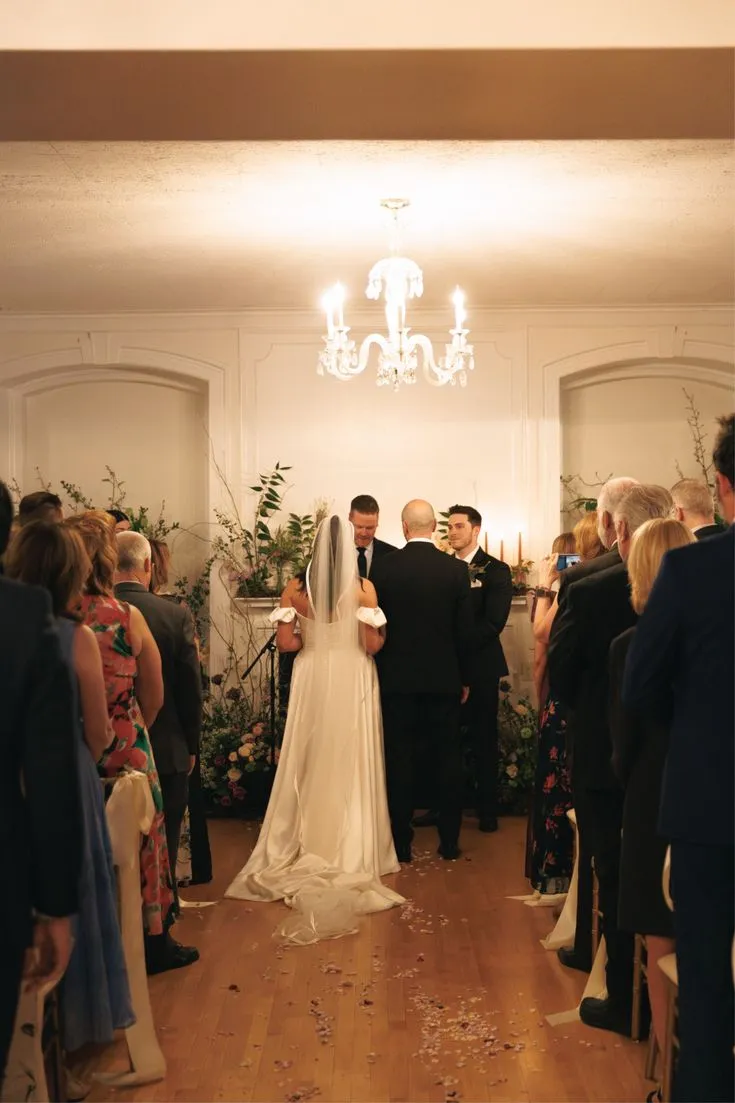
Indoor ceremony layouts often offer more control than outdoor settings, but small positioning choices still matter. Where the couple stands, how the officiant is placed, and whether large floral installations block side views can all affect the photographs.
A professional handling wedding photography asheville nc may work from several angles during the ceremony, so open sightlines are useful. Couples do not need to redesign the room for the camera, but keeping aisles clear and avoiding oversized décor directly around faces can make the ceremony easier for both guests and photography.
Be Careful With Mixed Lighting
Indoor venues frequently combine daylight, chandeliers, recessed fixtures, lamps, candles, and decorative uplighting. Each source can have a different color temperature, which may make skin tones look inconsistent.
Couples do not need to understand the technical details, but they can ask whether major overhead lights are adjustable and whether the venue typically adds strong colored uplighting. Keeping key areas such as the ceremony, head table, and speech location neutral often gives the photographer more flexibility while still allowing the room to feel warm and atmospheric.
Use Architecture for Visual Variety
An indoor wedding does not have to produce a gallery filled with photographs against the same wall. Staircases, doorways, mirrors, hallways, balconies, textured surfaces, and reception details can all create variety.
A good photographer can change perspective, distance, and framing without moving the couple far from guests. This is especially useful when the weather makes outdoor portraits impractical. Couples can ask the venue which interior areas remain accessible throughout the event rather than assuming every room is available for photography.
Plan a Realistic Rain Backup
Even couples choosing an indoor wedding may expect to use gardens, courtyards, or entrances for some portraits. If rain removes those options, there should still be enough usable interior space for essential photographs.
The backup does not need to duplicate the outdoor plan. A covered entrance, spacious lobby, quiet hallway, or window-lit room can offer a different look. Knowing these alternatives in advance prevents the wedding day from becoming a search for somewhere dry when portraits are scheduled.
Let the Reception Look Like Night
Once daylight disappears, there is no need to make an indoor reception look artificially bright. Candlelight, warm fixtures, DJ lighting, and professional flash can all contribute to the atmosphere.
The strongest evening photographs often accept that the room has changed. Dinner may feel warm and intimate, while dancing can become more energetic. Allowing different parts of the reception to have their own visual character creates a gallery with more rhythm than trying to make every hour look identical.
Conclusion
Indoor wedding photography works best when couples understand the space rather than trying to control every lighting condition. Visiting the venue at the right time, protecting useful window areas, maintaining clear ceremony sightlines, and knowing which interior locations remain accessible can all make photography easier. Mixed lighting and darker reception spaces are not automatically problems; they simply become part of the atmosphere. With thoughtful preparation, an indoor wedding can produce a varied, expressive gallery that uses architecture, light, and human interaction to create a strong sense of place.