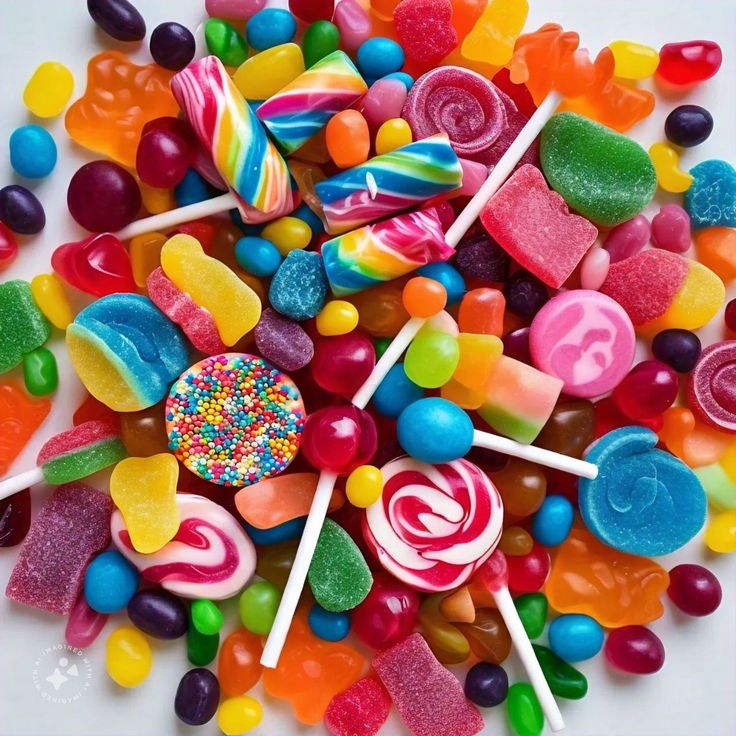
The confectionery industry has undergone a lot of transformation, as consumers desire products with familiar ingredients. Although taste is the most important factor for people to love candies, appearance is the factor that draws their attention first. Bright and steady hues assist in determining everything from hard candies to gummies, lollipops to chewy goodies.
This has caused many manufacturers to make comparisons between Natural Candy Color and traditional candy food colorings to see which is better for their product objectives. It is important to know how these two methods are different to enable businesses to make a decision about creating modern confectionery products.
What Is Natural Candy Color?
Natural Candy Color is a natural dye made from fruits, vegetables, algae and spices. Beetroot, spirulina, turmeric, annatto, black carrot and red cabbage are among the many ingredients that are used to produce a variety of colors for confectionery products.
The first benefit of using natural colors is that they are suitable for use in clean-label product development. Candy manufacturers can produce eye-catching candy with ingredients that fit with the ever-increasing consumer demand for naturally derived formulations.
Food ingredient technology has also driven the selection of other hues, which provide confectionery companies greater flexibility when developing new products.
Understanding Candy Food Coloring
Candy food coloring” is a term that means the coloring that is applied to confectionery products to give them the look they’re seeking. These colorings can be natural, nature-derived or from other approved food colorings depending on the product and manufacturer.
Manufacturers consider various characteristics when choosing a candy food coloring solution: Intensity, recipe compatibility, processing requirements and the finished appearance.
This will depend on the type of confectionery application. The formulation requirements range from hard candies to gummies to marshmallows, chocolate coatings and chewy sweets, and all will have an impact on color performance.
Choosing the Right Color for Your Candy Products
There is no single solution that is applicable to all confectionery products. The optimal one is dependent on production methods, the ingredients used, the moisture content, cooking temperatures, and storage conditions.
Natural Candy Color is now popular among many manufacturers since it can be used to make products based on a naturally sourced ingredient. Choosing the right color, however, depends on testing to ensure consistent color during production.
With the help of an experienced ingredient supplier, manufacturers can select appropriate color solutions that meet the requirements for different products. Plus, having solid technical support really helps cut down on recipe headaches when you roll out a brand new candy line.
Supporting Innovation in Modern Confectionery
Candy brands keep finding cool ways to innovate. They constantly build fun, fresh items to keep up with what shoppers want today. In the realm of brands, natural color solutions are crucial for developing products that are not only appealing but also reflective of the market trends.
The natural ingredients are more versatile for commercial confectionery production as extraction and formulation techniques have improved over the years. This provides more opportunities for manufacturers to create colorful products while maintaining transparency of the ingredients and consistency of the product.
By selecting a good coloring solution, you not only ensure that the product looks its best, but you also promote the brand for a more competitive marketplace.
Conclusion
Natural Candy Color and candy food coloring are both vital to the confectionery industry, and the type to be used depends on the product formulation and production aims. Foodrgb.com offers solutions for all kinds of confectionery products and offers companies the chance to discover natural color ingredients and application skills. By choosing the optimal solution in coloring, manufacturers are able to make visually appealing candies, maintain quality and introduce new products into modern offerings.