Wine has long been part of the table, but its role today goes far beyond tradition or ceremony. In contemporary dining, wine acts as a cultural bridge, a sensory amplifier, and a marker of intention. From casual neighborhood bistros to destination restaurants, the presence of a thoughtful wine choice shapes how a meal is perceived, remembered, and shared. In an era where diners seek meaning as much as flavor, wine quietly anchors the experience, connecting food, place, and people without demanding the spotlight.
Wine as a sensory partner to food
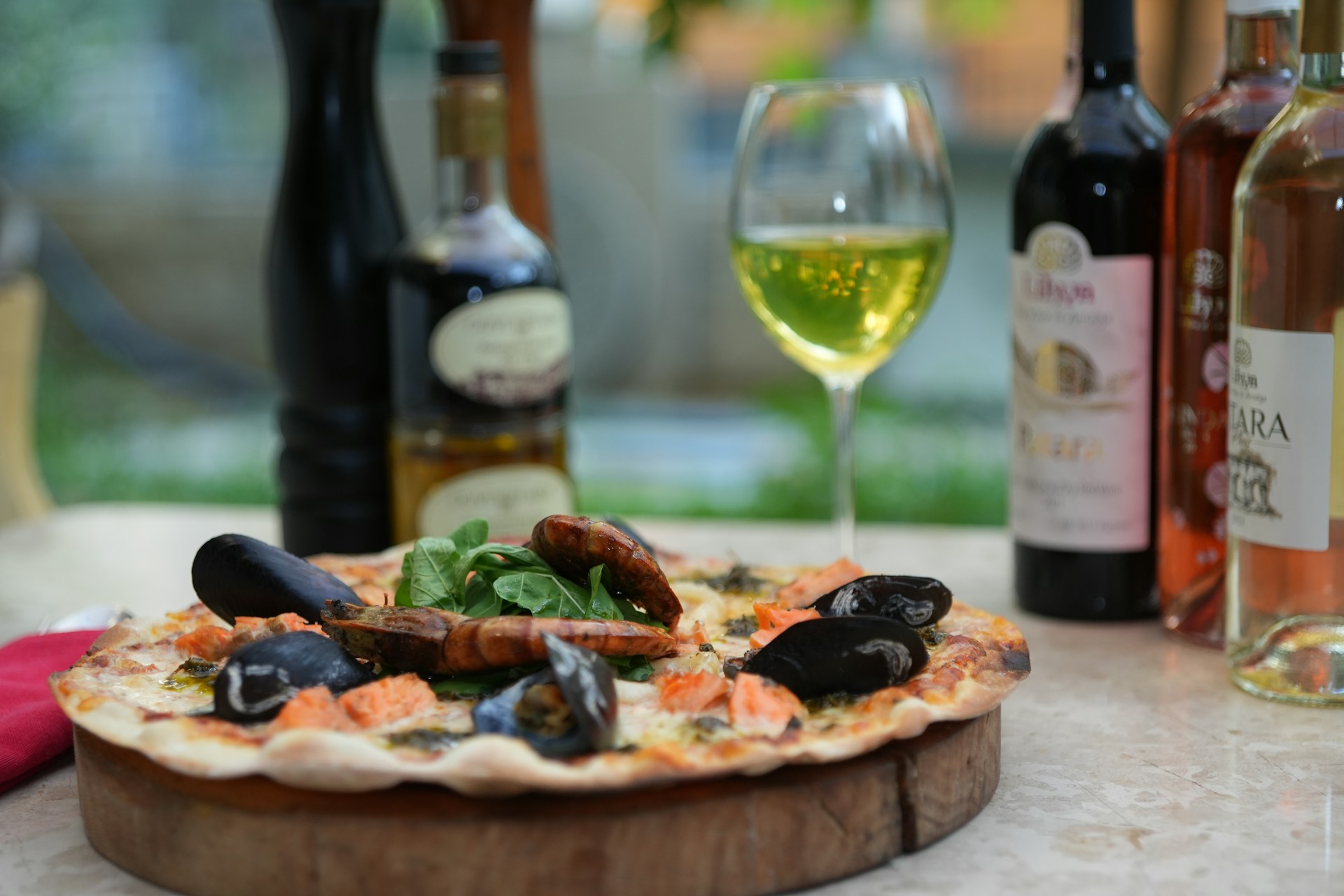
A complete dining experience is built on balance, and wine plays a critical role in achieving it. Acidity can lift rich dishes, tannins can frame protein, and aromatics can echo herbs or spices on the plate. When done well, pairing does not compete with food but extends it, allowing flavors to unfold gradually rather than all at once. This interaction slows the meal down, encouraging attention and conversation, two elements often missing from rushed modern dining.
The emotional impact of pairing
Wine influences mood as much as palate. A crisp white can signal freshness and ease, while a structured red often brings a sense of depth and occasion. These cues subtly guide how diners interpret the meal. A carefully curated list, including a selection of château latour grand cru wines, sends a clear message about craftsmanship and respect for the dining moment, reinforcing trust between restaurant and guest.
Wine as a cultural storyteller
Every bottle carries a narrative. Soil, climate, vintage conditions, and human choices all leave their mark. When wine is introduced thoughtfully, it becomes a form of storytelling that enriches the table. Diners are no longer just consuming a beverage; they are engaging with a place and a moment in time. This is especially relevant as food culture becomes more global and curiosity-driven. Wine offers context, grounding unfamiliar dishes in a tangible sense of origin.
The rise of informed but relaxed wine service
The modern diner is more informed than ever but less interested in rigid rules. This has reshaped how wine is presented. Sommeliers and servers now focus on approachability, framing wine as an invitation rather than a test of knowledge. The goal is not to impress with jargon but to guide with clarity. This shift has made wine more accessible, encouraging diners to explore without fear of getting it wrong.
The social dimension of wine at the table
Wine naturally fosters connection. Shared bottles create shared experiences, marking milestones or simply elevating an ordinary evening. Unlike many beverages, wine is rarely consumed in isolation during meals. It encourages pacing, reflection, and dialogue. In this way, it supports one of dining’s most fundamental purposes: bringing people together. Restaurants that understand this use wine not just as a product but as a social tool, shaping the rhythm of the meal.
What wine adds beyond taste
Wine contributes layers that food alone cannot provide. Its value in dining can be summarized through a few key roles:
- it enhances flavor perception through contrast and complement
- it reinforces the identity and positioning of a restaurant
- it encourages longer, more engaged meals
- it creates emotional and memorable moments for guests
Sustainability and changing expectations
Today’s diners increasingly care about how products are made. Wine has responded with a growing focus on sustainability, organic practices, and transparency. Restaurants that highlight responsible producers align themselves with these values, adding another dimension to the dining experience. Wine lists now function as ethical statements as much as culinary ones, reflecting broader shifts in consumer awareness.
The future of wine in dining
Despite changing habits and the rise of alternative beverages, wine remains central to dining culture. Its adaptability is key. From by-the-glass programs that encourage experimentation to curated pairings that tell a cohesive story, wine continues to evolve alongside food trends. Rather than fading, its role is becoming more intentional, more conversational, and more integrated into the overall experience.
Frequently asked questions about wine and dining
Why does wine make meals feel more complete?
Wine adds structure and pacing to a meal, creating pauses that allow flavors and conversations to develop. This rhythm contributes to a sense of completeness that food alone may not achieve.
Is wine pairing only relevant in fine dining?
Not at all. Thoughtful pairing enhances casual meals as much as formal ones. The principle is balance, not luxury.
How important is a wine list to a restaurant’s identity?
A wine list often reflects a restaurant’s philosophy, values, and level of care. It can quietly signal quality and intention to guests.
Can wine still matter as drinking habits change?
Yes. Wine’s role is evolving rather than shrinking, with more focus on moderation, quality, and context within the meal.
A quiet essential at the heart of dining
Wine does not need to dominate the table to matter. Its true importance lies in how seamlessly it supports the dining experience, enriching flavors, deepening connections, and adding meaning without excess. In a world of constant novelty, wine remains a steady presence, reminding us that some of the most powerful elements of a meal are the ones that work gently, in the background, making everything else feel whole.