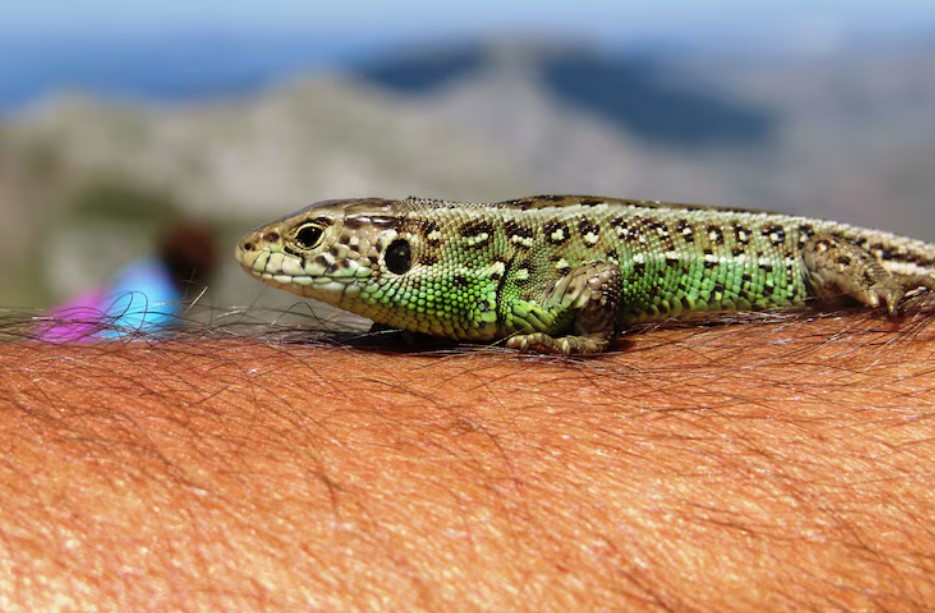
Temperature plays an important role in reptile care. Lizards, snakes, turtles, geckos, and other reptiles depend on the right habitat conditions to stay active and comfortable. Even high-quality heating equipment cannot do its job properly if you are not monitoring the enclosure correctly. That’s why reptile thermometers are one of the most important tools in any reptile habitat.
Simply placing a thermometer inside the enclosure is not enough. Its location can affect the temperature reading, making it difficult to know whether your reptile’s environment is suitable. Learning where to place a thermometer for reptiles helps you monitor habitat conditions more accurately and make better adjustments when needed.
At Kwik Pets, reptile owners can find trusted reptile care products, including thermometers, humidity tools, heating equipment, lighting, and habitat accessories designed for a wide range of reptile species.
Why Proper Thermometer Placement Matters
Different areas inside an enclosure often have different temperatures. Measuring only one spot may not give you a complete picture of your reptile’s habitat.
Using reptile thermometers correctly helps you:
-
Monitor habitat temperatures more accurately
-
Check different areas of the enclosure
-
Support daily reptile care
-
Adjust heating equipment when needed
-
Create a more comfortable environment
Accurate readings help you understand how temperatures change throughout the enclosure during the day.
Where to Place Reptile Thermometers for Accurate Readings
Proper placement helps you collect useful temperature information.
Place One Thermometer Near the Warm Side
Position one thermometer close to the warm area of the enclosure without placing it directly under the heat source. This helps you monitor the warmer part of the habitat.
Place Another Thermometer on the Cool Side
Adding a second thermometer on the opposite side allows you to compare temperatures across the enclosure. This gives you a better understanding of the habitat conditions.
Measure at Your Reptile’s Activity Level
Place the thermometer where your reptile spends most of its time, such as on the floor for ground-dwelling species or higher in the enclosure for climbing reptiles.
Keep Thermometers Away from Water Bowls
Placing thermometers directly beside water dishes may affect temperature readings. Choose a location that better represents the surrounding habitat.
Secure the Thermometer Properly
Mount the thermometer according to the manufacturer’s instructions so it stays in place and continues to provide reliable readings.
Common Mistakes to Avoid When Positioning Thermometers
Avoid these common setup mistakes.
Using Only One Thermometer
A single thermometer may not accurately represent temperatures throughout the enclosure.
Placing It Directly Under the Heat Lamp
Positioning the thermometer directly below the heat source may result in readings that do not reflect the surrounding habitat.
Ignoring Different Habitat Levels
Climbing reptiles and ground-dwelling reptiles may experience different temperatures depending on where they spend their time.
Forgetting to Check Readings Regularly
Monitoring temperatures consistently helps you notice changes before they become a problem.
Small adjustments in placement can improve the accuracy of your readings.
Using Thermometers with Other Reptile Care Products
A thermometer works best when used with other habitat equipment.
Heating Equipment
Thermometers help you monitor the performance of heat lamps, ceramic heat emitters, and other heating products.
Lighting
Proper lighting and heating often work together to create a comfortable enclosure.
Reptile Humidifier
Some reptile species also need controlled humidity. A reptile humidifier can help maintain appropriate moisture levels for habitats that require higher humidity. Always use humidity equipment according to the manufacturer’s recommendations and your reptile’s specific care requirements.
Habitat Accessories
Hides, climbing branches, and décor can influence airflow inside the enclosure. Check temperatures after adding or moving large accessories.
Using several reptile care products together helps create a more complete habitat.
Tips for Monitoring Temperature and Humidity
Good habits make temperature monitoring easier.
-
Check thermometer readings every day.
-
Compare temperatures in different areas of the enclosure.
-
Clean thermometers according to the manufacturer’s instructions.
-
Inspect equipment regularly for proper operation.
-
Monitor humidity when caring for species that require it.
Routine checks help you maintain consistent habitat conditions.
Choosing Quality Reptile Care Products from Kwik Pets
Reliable equipment makes habitat management much easier.
At Kwik Pets, you can shop for:
-
Reptile thermometers
-
Heating equipment
-
Lighting products
-
Reptile humidifier options
-
Habitat accessories
-
Feeding supplies
-
Other trusted reptile care products
Shopping with a trusted retailer helps you find products that suit a variety of reptile species and enclosure styles.
Build a Better Habitat with the Right Monitoring Tools
Correct placement of reptile thermometers helps you understand what’s happening inside your reptile’s enclosure and makes it easier to maintain suitable habitat conditions. Whether you need a dependable thermometer for reptiles, a reptile humidifier, or other reptile care products, Kwik Pets offers trusted products from leading reptile brands.
Explore the reptile collection at Kwik Pets to find thermometers, heating equipment, lighting, habitat accessories, humidity tools, and other essentials for lizards, snakes, turtles, geckos, and many other reptiles. Choose quality products that help you maintain a comfortable and well-managed habitat.
Frequently Asked Questions
1. Where should I place reptile thermometers?
Place one thermometer on the warm side of the enclosure and another on the cool side to monitor temperature differences. Position them where your reptile spends most of its time.
2. Can I use one thermometer for the entire enclosure?
Using two reptile thermometers provides a better understanding of temperatures across different areas of the habitat.
3. Why is a thermometer for reptiles important?
A thermometer for reptiles helps monitor enclosure temperatures so you can make adjustments to heating equipment when needed.
4. Do I also need a reptile humidifier?
Some reptile species benefit from a reptile humidifier to help maintain appropriate humidity levels. Always choose equipment that matches your reptile’s habitat requirements.
5. Where can I buy quality reptile care products online?
Kwik Pets offers a wide selection of reptile thermometers, heating products, humidity equipment, habitat accessories, and other reptile care essentials from trusted brands.