For a restaurant or a resort, wine is both inventory and atmosphere. It needs to stay in perfect condition, yet guests also want to see it. That dual role shapes every decision behind commercial wine cellar construction, from layout to cooling to the way staff moves through the space each night, often under real-time pressure.
Storage Meets Service
A commercial cellar works like a small warehouse. Staff retrieve bottles dozens of times a night, so aisle width, rack height and door placement have to support quick, safe movement, even when two people need to pass in the same corridor carrying trays, glasses or a case that just arrived.
Organization matters just as much. Grouping by region or price tier lets a sommelier find a bottle in seconds. Clear labeling and sensible zones prevent errors during a busy dinner rush, when nobody has time to hunt around, and they make inventory counts faster and far less tedious at the end of the month. A tidy layout also makes audits and stock counts easier.
Showing Off the Inventory
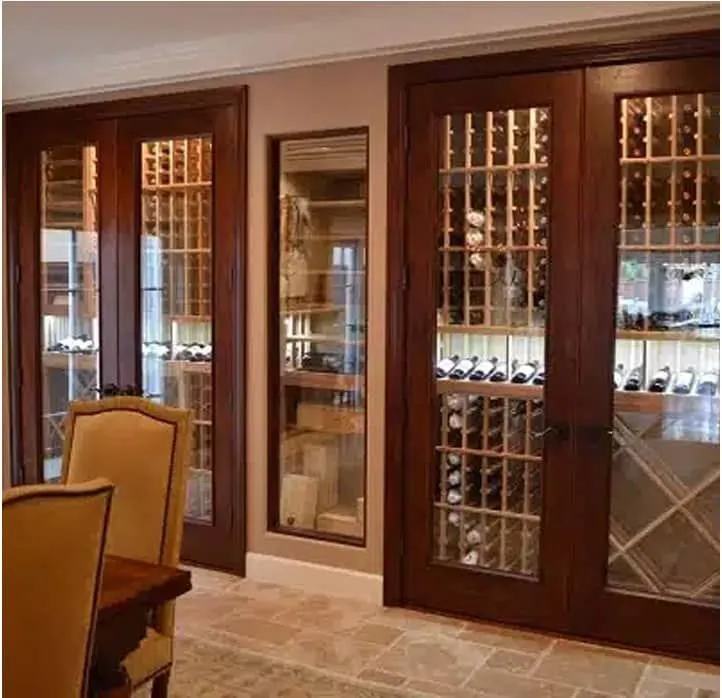
Diners love seeing a wall of bottles. Using glass wine cellar doors lets the room double as décor, giving guests a glimpse of the collection without letting warm air in or cold air out, and turning a storage requirement into something that supports the whole atmosphere of the dining room.
Choose insulated glazing and sturdy hardware, since commercial doors open hundreds of times a week. Cheap hinges sag quickly, and a door that no longer closes tightly undermines the whole climate you’ve worked so hard to build, while also leaving a very visible reminder of a shortcut taken on the opening budget. It also adds a layer of security without hiding the stock.
Staying Inside Code and Capacity
Commercial builds carry rules that homes don’t. Fire safety, electrical load, accessibility and local health requirements can all affect the design. Raise these questions at the start, not at inspection time, when changes become slow and expensive, and an opening date may already be promised to investors or the press.
Capacity planning matters too. A list that turns over quickly needs easy access, while a prestige collection needs depth and careful organization. Be clear about which you’re building before the racking is designed, because the two layouts look very different, and converting from one to the other later can be surprisingly disruptive. Ask the local building department early about anything unusual.
Cooling Under Constant Traffic
Frequent door openings let warm air flood in, so the cooling system has to recover fast. Larger rooms may need ducted or split equipment with extra capacity compared with a similar-sized home cellar that sees only occasional visitors, and the controls should be easy for staff to read at a glance.
Monitoring helps a lot. Alerts that notify a manager when temperatures drift can save an entire inventory overnight. Backup power is also worth discussing for high-value collections, since a long outage can undo years of careful purchasing and leave the restaurant without the bottles its reputation depends on. Dashboards with simple color alerts are easy for busy staff to read.
Training the Team
Even the best room fails if staff treat it carelessly. Teach everyone to close the door fully, to rotate stock sensibly and to report any strange noise or warm spot straight away. Simple habits protect the investment, and new hires pick them up quickly when the routine is explained once, clearly.
A short written routine helps. Daily checks of temperature and humidity, a weekly look at the door seals and a yearly service visit keep surprises rare, and they give managers a record if anyone asks questions later, whether that’s an insurer, an auditor or a curious owner. Posting the routine inside the cellar door keeps everyone consistent.
Bringing It Together
A thoughtful design makes the cellar a working asset that also supports the dining experience. Operators exploring a project can reach out to customwinecellar.com to talk through scope, scheduling and what their particular venue really needs, from capacity to display to the realities of a busy service.
When storage, service and style all line up, the wine program becomes easier to run and easier to sell. Guests notice the difference, even if they can’t say exactly why, and they tend to return for it, bringing friends who want to see the room and try a bottle from the wall. Great wine service starts long before the first glass is poured.