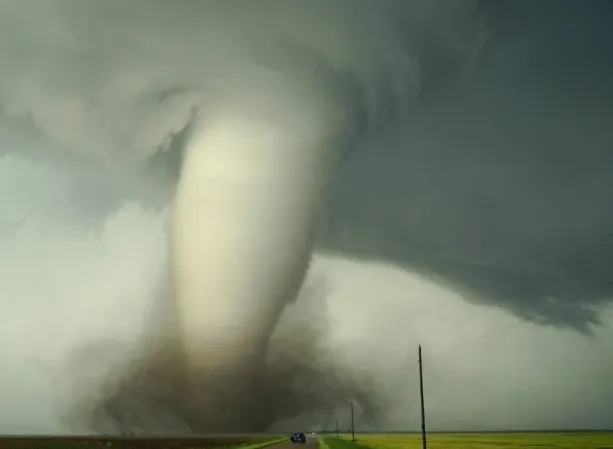
Kansas storms can change fast, making route planning a key part of safe fieldwork. For anyone tracking stormchasing 2027 Wichita Kansas, escape routes should be planned before a storm forms, not while it is moving. Roads may flood, traffic may build, and a clear path can close without warning. A good route plan uses more than one exit option. It also checks road direction, bridges, fuel stops, and safe shelter points. The goal is simple: stay mobile, keep distance from danger, and leave early when storm conditions turn risky.
Map Primary Routes Before Departure
Start with the main roads around Wichita and mark several ways out of the target area. Highways can offer fast travel, but local roads may provide useful backup routes. Check road maps before each chase because construction and closures can change. Keep north, south, east, and west options where possible. A route should never depend on one road alone. Mark fuel stations, open towns, and solid buildings along the way. During a chase, small details matter. A printed map can also help if mobile service drops at the wrong time.
Build Backup Paths For Sudden Changes
A backup route should be more than a second line on a map. It needs a clear reason for use. Heavy rain can block low roads, while hail may slow traffic and reduce visibility. Tornado movement can also cut across planned paths with little notice. For stormchasing 2027 Wichita Kansas, route teams should set simple triggers for leaving an area. If a storm changes direction, roads become blocked, or visibility falls, switch plans early. Staying flexible gives drivers more space and time. Waiting for perfect conditions can remove both.
Watch Storm Motion And Road Access
Storm motion should guide route choices throughout the chase. A road that looks safe at noon may become a poor option later. Track storm speed, direction, warnings, and nearby road access as conditions develop. This is especially important for tornado chasing tours 2027, where groups may need extra time to move safely. Drivers should avoid roads that point directly toward a storm path without a clear exit. Keep the vehicle facing a known route whenever possible. That small habit can save valuable minutes when weather changes suddenly.
Choose Safe Stops Away From Threats
Safe stops need careful thought. A wide parking area is not always a safe place during severe weather. Avoid spots near trees, weak structures, low ground, and areas that may flood. Strong buildings with secure shelter areas are better choices when available. Routes should include more than one possible stopping point, especially outside larger towns. Check whether a stop can be reached without crossing the storm path. It helps to know the area before departure. A few minutes spent studying shelter options can prevent a rushed decision later.
Keep Communication Clear During Chases
Good route planning works best when everyone knows the plan. A lead driver can monitor road conditions while another person watches weather alerts and storm movement. Share route changes in short, clear messages. Long calls can distract drivers at the wrong moment. Keep phones charged and carry backup power. A paper map is useful too. For group trips, set meeting points outside the storm area in case vehicles separate. These simple steps reduce confusion. Clear roles also help tour leaders make faster choices when traffic, weather, or road closures create sudden problems.
Review Routes Before Every Storm
A route plan should be checked again before each departure. Weather forecasts change, road work appears, and storm targets can shift. Review the starting point, main route, backup roads, fuel range, and safe stops. During the trip, compare the plan with live conditions instead of following it without thought. A route is a tool, not a rule. For tornado chasing tours 2027, early movement is often easier than a late escape. Good planning also means knowing when not to chase. If roads become unsafe, ending the chase is the right call.
Conclusion
Tactical escape planning makes storm travel more controlled and safer. Strong routes include several exits, known shelter points, fuel options, and clear signals for leaving. Weather can change in minutes, so plans must stay flexible. Drivers should watch both the sky and the road, while teams keep communication simple. Careful preparation also reduces pressure during tense moments. For people planning future storm trips, stormchasing.com can serve as a useful starting point for learning more about storm chasing. The safest chase is one where every person knows the exit plan before the storm arrives.